
Stop Playing Blind: How Smart Lottery Players Hunt Jackpots and Win More Often
7/19/2025
By Doug Moeller | Professional Gambler & Founder of Savvy Scratch
Most people walk into a gas station, scan the scratch-off display, and grab whatever catches their eye. Maybe it's the one with the cool design. Maybe it's the price point they always play. Maybe it's just habit.
That approach is costing you money.
Here's why: right now, in every state, there are scratch-off games sitting on store shelves where every single top prize has already been claimed. The game looks the same. The price is the same. But the chance of hitting a jackpot? Zero. You're paying full price for a ticket that can't win big.
I've spent over 15 years as a professional gambler, with more than half a million dollars in lifetime winnings from poker, blackjack card counting, and casino advantage play. The principle that drove every one of those wins is the same one that applies to scratch-offs: the odds aren't static, and the players who track them have an edge over those who don't.
This guide breaks down how lottery jackpot hunting works, what tools actually help (and which are scams), and how to stop wasting money on dead games.
What Is Lottery Jackpot Hunting, and Why Does It Matter?
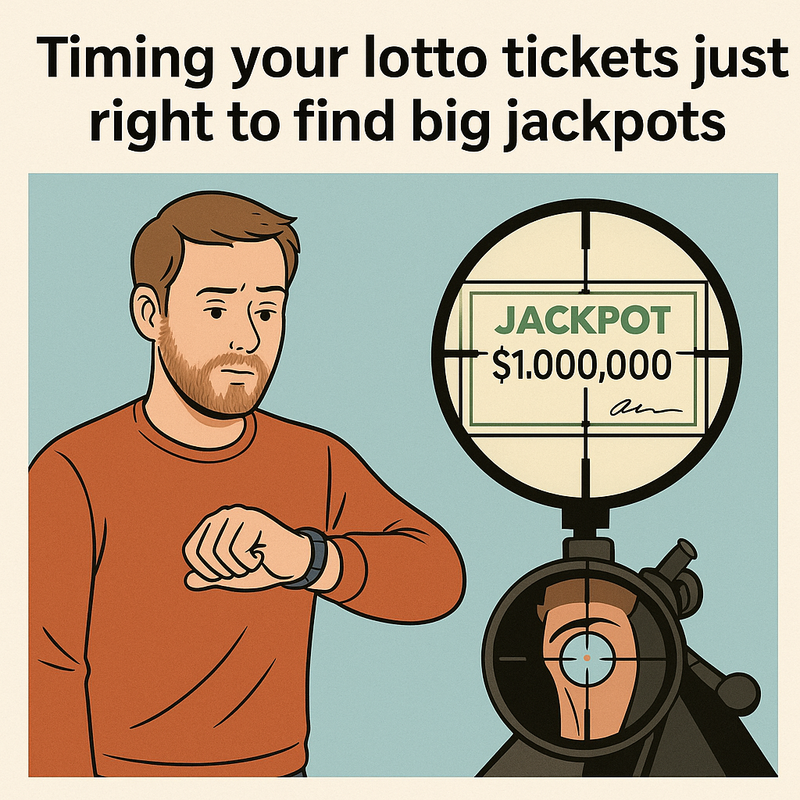
Lottery jackpot hunting is the practice of using publicly available prize data to identify which scratch-off games still have top prizes remaining, and then concentrating your play on those games instead of buying blindly.
Think of it this way. Every scratch-off game starts with a fixed number of tickets and a fixed number of prizes. As tickets sell and prizes get claimed, the odds shift. Sometimes they shift in your favor. Sometimes they shift against you. The players who track those shifts are playing a fundamentally different game than the ones who don't.
This isn't some theoretical edge, either. When a game launches with 4 jackpots and 3 have already been claimed, your odds of hitting that top prize just got dramatically worse. But if a different game has all of its jackpots still intact and half the tickets are already sold? Your jackpot odds actually improved from the printed odds on the ticket.
The printed odds on the back of every scratch-off ticket are the odds at launch. They never update. They don't reflect what's happened since the game hit shelves. And that gap between launch-day odds and current odds is where smart players find their edge.
If you want to understand the math behind how these odds actually shift over time, this breakdown on using an odds calculator walks through the numbers in detail.
Why a Lottery Jackpot Tracker Changes Everything
A lottery jackpot tracker is a tool that monitors real-time prize claim data across active scratch-off games in your state. Instead of walking into a store and guessing, you check the tracker first and see exactly which games are worth playing and which ones are dead.
Here's what a good tracker shows you: remaining top prizes for every active game, estimated tickets sold versus tickets remaining, how odds have shifted since launch, and whether a game is new, aging well, or past its prime.
Without this information, you're essentially playing cards without looking at your hand.
I'll use a concept from blackjack to explain why this matters. In card counting, the advantage comes from knowing the composition of the remaining deck. When the deck is rich in high cards, the counter bets more. When it's full of low cards, they bet less. The counter doesn't know exactly which card is coming next, but they know the odds have shifted in their favor.
Scratch-off jackpot tracking works the same way. You don't know which ticket is the winner. But you can know whether the game you're about to play still has winners left in it, and whether the odds of hitting one have gotten better or worse since launch day.
That's the difference between playing informed and playing blind.
Stop wasting money on dead games. Savvy Scratch tracks real-time odds for every scratch-off in your state, showing you which games still have jackpots and which ones don't. See your state's best games right now for $5/month or $50/year.
Scratch-Off Ticket Strategy: How the Pros Think About It
Most players pick scratchers by color, theme, or habit. That's entertainment, not strategy. A real scratch-off ticket strategy starts with data and ends with discipline.
Here's how to approach it:
Target games where top prizes are still intact. This is the single most impactful thing you can do. A $20 game with all its jackpots remaining is a fundamentally better play than a $20 game where the big prizes are gone. The base odds might be identical on the back of the ticket, but the current odds are completely different.
Watch for timing opportunities. New games launch with full prize pools, and that's obviously attractive. But older games can be even better if they still have jackpots remaining but a large percentage of tickets have already been sold. The remaining ticket pool is smaller, which means each individual ticket has improved odds of being a winner. January is actually one of the best months for this because of how holiday-season buying patterns deplete ticket inventory.
Set a budget and stick to it. This is straight from the professional gambler playbook. Every poker player has a bankroll management system. Every card counter has betting limits. Smart scratch-off play means deciding how much you're going to spend before you walk into the store, not after you're staring at the display case. Better strategy doesn't mean spending more. It means spending the same amount on better games.
Don't chase losses. If you've had a bad run, the answer isn't to buy more tickets. The answer is to step back, reset, and come back when you've identified a game with strong odds. Discipline is what separates recreational players from strategic ones.
Do Lottery Prediction Apps Actually Work?
Let's clear something up right now: any app that claims it can predict winning lottery numbers is a scam. Full stop. Scratch-off results are determined when tickets are printed. Draw game results are determined by random number generators or ball machines. No app, no algorithm, no "system" can predict those outcomes.
But that doesn't mean all lottery apps are worthless. A good lottery prediction app doesn't predict winners. It predicts value. There's a big difference.
A quality app tracks which games still have top prizes, sends alerts when new games launch (so you can play them with full prize pools), flags games where jackpot odds have improved significantly, and warns you away from games where the big prizes are gone.
Think of it less like a crystal ball and more like a scouting report. A baseball team's analytics department doesn't know which pitch is coming next. But they know which pitchers throw more fastballs in certain counts, and that information changes how batters approach each at-bat.
Same principle. You're not predicting the outcome. You're making better decisions based on the available data.
If you want to understand how a real lottery analysis tool breaks down game value across multiple dimensions, this complete guide to lottery ticket analyzers covers the full methodology.
How Lottery Analytics Tools Give You an Edge
Lottery analytics tools use publicly available data from state lottery commissions to calculate real-time game rankings. Every state publishes information about remaining prizes, but they bury it in tables and PDFs that require actual math to interpret. A good analytics tool does that work for you.
Here's what matters in a real lottery analytics platform:
Prize claim tracking across every active game. The tool should monitor every scratch-off in your state, not just the popular ones. The best opportunities are often in games that most players overlook.
Current odds calculations, not just launch odds. This is the critical difference. The printed odds on a ticket never change. But the actual odds change every single day as tickets sell and prizes get claimed. A tool that only shows you launch-day odds is almost useless. You need current, recalculated odds.
Game ratings or evaluations. Not every player wants to crunch numbers. A solid tool should give you a simple rating, something like "Good," "Neutral," or "Bad," so you can make quick decisions at the counter without pulling out a spreadsheet.
Multi-state coverage. If you live near a state line or travel for work, you want to compare games across multiple states. A game rated "Bad" in one state might be outperformed by a "Good" game in the state next door.
This is where professional gambling principles really come into play. In poker, you don't play every hand. You wait for situations where the odds are in your favor, then you act. In scratch-offs, you don't play every game. You identify the games where the data supports a better play, and you focus there.
Real-time odds across 13 states. Updated daily. Savvy Scratch ranks every active scratch-off game so you know which tickets are worth buying before you get to the counter. Start playing smarter for $5/month, backed by a 30-day money-back guarantee.
Data-Driven Lottery Tips You Can Use Today
You don't need a statistics degree to play smarter. Here are practical, data-driven lottery tips that any player can start using immediately.
Check the odds before you buy, every single time. The odds printed on the ticket are outdated the moment the first prize gets claimed. Before you spend $20 on a scratcher, spend 30 seconds checking whether that game's top prizes are still available. This one habit alone will save you from buying dead games.
Favor games with multiple remaining jackpots over games with one. A game with 3 out of 4 jackpots remaining is a stronger play than a game with 1 out of 4 remaining, even if the single-jackpot game has a bigger prize. More remaining jackpots means more chances.
Don't ignore second-chance drawings. Most states run second-chance programs where losing tickets can be entered into bonus drawings. The entry rates are typically low because most players throw their losers away. That means the odds in second-chance drawings are often better than the odds on the original ticket. Here's a full breakdown of how second-chance lotteries work and why most players miss them.
Track your spending. Professional gamblers track every bet. You should track every ticket purchase. Know how much you're spending per week, per month, and per game. This does two things: it keeps your budget in check, and it reveals patterns in your buying habits that might be costing you money.
Pay attention to ticket price tiers. Higher-priced tickets generally have better overall odds of winning any prize. But "any prize" includes breaking even on a $2 win from a $2 ticket. What matters more is the structure of the mid-tier and top-tier prizes, and whether those prizes are still available.
The Power of a Lottery Ticket Checker
A lottery ticket checker does more than confirm whether you won. Used consistently, it becomes a tracking tool for your entire scratch-off strategy.
The most obvious use: scanning tickets to make sure you haven't missed a winner. Sounds basic, but state lotteries report millions of dollars in unclaimed prizes every year. People toss winning tickets because they misread them or assumed they lost.
Beyond that, a good ticket checker helps you build a record of your play. When you track which games you've played, how much you've spent, and what you've won, you start seeing patterns. Maybe you notice you've been favoring a game that keeps producing nothing. Maybe you realize your wins are concentrated in a specific price tier. That data tells you where to adjust.
In poker, I reviewed hand histories constantly. Not just the big pots, but the small decisions that accumulated over thousands of hands. The players who review their results and adjust are the ones who improve. The ones who just keep playing the same way, hoping for a different outcome, don't.
The Dead Game Problem (And How to Avoid It)
Here's the uncomfortable truth about scratch-offs: state lotteries have no obligation to pull a game from shelves when all the top prizes have been claimed. A game can sit in the display case for months after its jackpots are gone. The ticket still looks the same. The price is still the same. But you're paying for a game that physically cannot pay out its advertised top prize.
These are called "dead games," and they're more common than most players realize. At any given time, a significant percentage of games on sale in your state have diminished or eliminated top prize availability. You just can't tell by looking at the ticket.
This is the single biggest waste of money in scratch-off play. And it's completely avoidable if you have access to the right data.
Every state lottery commission publishes prize claim data. The problem is that most players don't know where to find it, don't know how to interpret it, and don't have time to check it before every purchase. That's the gap that a good jackpot tracker fills.
Never buy a dead game again. Savvy Scratch shows you exactly which games in your state still have top prizes and which ones are past their prime. Built by a professional gambler who has won over half a million dollars. Check your state's games now for $5/month or $50/year, with a full 30-day money-back guarantee.
Play Smarter, Not Harder
Lottery jackpot hunting isn't about spending more money. It's about spending the same money on better games. The tools exist. The data is public. And the difference between playing blind and playing informed is the difference between hope and strategy.
You're already buying tickets. The only question is whether you're buying the right ones.
See which games are worth playing in your state right now at Savvy Scratch.
About the Author: Doug Moeller is a professional gambler with over 15 years of experience in poker, blackjack card counting, and casino advantage play, with over $500K in lifetime winnings. He built Savvy Scratch to bring the same data-driven approach that works at casino tables to scratch-off lottery tickets. Follow Doug on X | YouTube