6 Ways to Maximize Your Scratcher Money
3/24/2026
By Doug Moeller | Professional Gambler & Founder of Savvy Scratch
You are not losing at scratch-offs because you are unlucky. You are losing because you are spending your budget the same way everyone else does, and the lottery was designed to profit from exactly that kind of player.
I spent 15 years as a professional gambler. Poker, blackjack card counting, casino advantage play, over $500K in lifetime winnings. The single biggest lesson I learned across all of those games was not some secret system or magic trick. It was this: the players who protect their bankroll outlast everyone else. That is true at the blackjack table, in a poker room, and at the scratch-off counter.
Most scratcher players burn through money because they make the same mistakes over and over. They buy tickets at random. They chase games they like. They keep playing bad games because the ticket looks fun or the top prize sounds impressive. That is how your budget disappears. Here are six real ways to fix it.
Stop Playing Random Games
This is the single biggest leak for most scratch-off players, and it looks so harmless that nobody thinks twice about it.
You walk up to the counter. You scan the display. Something catches your eye. Maybe it is a bright ticket. Maybe it is a game you played before. Maybe the $50 price tag makes it feel serious. You point, you pay, you scratch.
That is not a strategy. That is impulse buying dressed up as entertainment.
Here is what most people miss: two scratch-off games sitting right next to each other at the same price point can be wildly different in value. One game might still have strong jackpot potential relative to the number of tickets left in circulation. The one right next to it might be so heavily depleted that the big prizes are already gone and you are paying full price for a ticket that can never win what you think it can win.
I learned this concept counting cards in blackjack. At a blackjack table, every card that leaves the deck changes the math for every hand that follows. When the deck is heavy with tens and aces, the player has an edge. When it is full of low cards, the house advantage grows. The game looks exactly the same either way. Same table, same dealer, same cards coming out of the shoe. But the math underneath is completely different. Scratch-offs work on the same principle. The game looks the same on the shelf whether it is healthy or gutted. The ticket design does not change when prizes get claimed. The price stays the same. The only thing that changes is the math, and you cannot see that math from the counter. If you are not checking, you are guessing. I wrote an entire breakdown of how this card counting logic applies directly to scratch-offs in Card Counting for Lottery? Here's How It Actually Works for Scratch-Offs, and it is worth reading if this idea is new to you.
Avoid Bad Games Before Chasing Good Ones
A lot of players spend too much energy asking the wrong question. They want to know what the best ticket is. That is fair enough, but there is a better question that will save you more money, more consistently: what games should I stay away from right now?
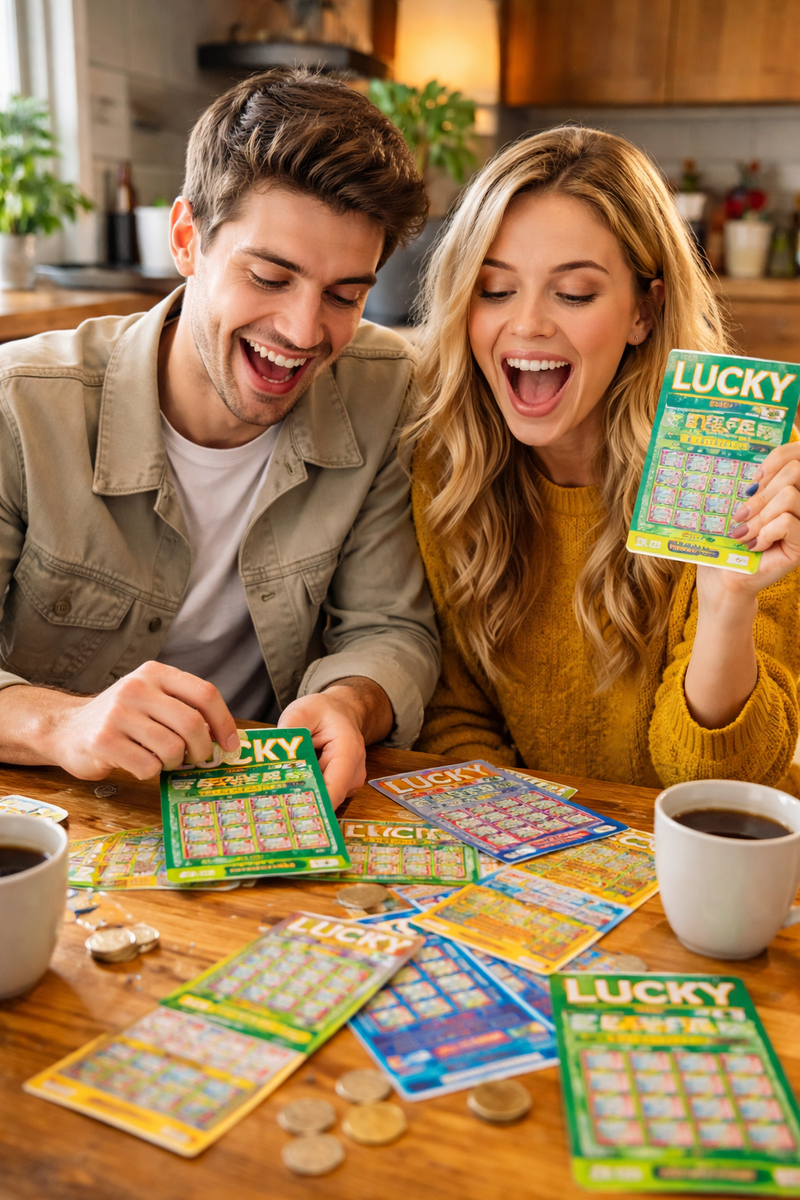
Avoiding bad games is one of the easiest ways to stretch your budget, and it does not require you to be a math wizard or spend hours researching. You just need to know which games are dead.
Think about it this way. If a game launched with four jackpots and three have already been claimed, you are chasing one remaining top prize against an enormous pool of unsold tickets. The game looks the same. It is still on the shelf. The display is still flashy. But the version of the game in your head, the one where you have a real shot at the top prize, is not the version you are actually buying.
I see this in poker all the time. A player sits down at a table that looks good on paper. Loose action, big stacks, the game feels juicy. But the actual dynamics, who is trapping, who is tilted, where the real money is flowing, tell a completely different story. The players who lose never look past the surface. The players who win avoid the bad spots before they worry about finding the great ones.
That does not mean you can never win on a bad scratch-off game. Of course you can. But over time, putting your money into depleted games is one of the fastest ways to shrink your bankroll. A lot of scratcher players are trying to win more. Sometimes the smarter move is just losing less. That distinction matters more than most people think.
If you want to see which games are currently rated Bad in your state, Savvy Scratch shows you exactly that. Every active game gets an evaluation, Good, Neutral, or Bad, based on what is actually happening with the remaining prize pool. Filter to show only Bad games and know exactly what to walk past. That alone is worth more than any "lucky number" system you will find online.
Savvy Scratch costs $5/month or $50/year, and it comes with a 30-day worry-free guarantee. If the data saves you from even one bad purchase a month, it has already paid for itself.
Be Willing to Wait for Better Timing
This is where a lot of players leave money on the table, and it is also where the biggest mindset shift happens.
Most people buy scratchers when they feel like buying scratchers. They are bored, standing in line, grabbing gas, or just in the mood. But scratcher games are not static. A game that is weak today might look better in two weeks if the ticket pool shrinks and the remaining prizes hold up. A game that seemed decent last month might be worse now because three jackpots got claimed while you were not paying attention.
Timing matters. It does not mean you need every game to be perfect before you spend a dollar. It means you need to stop buying games at bad moments just because you happen to be standing at the counter.
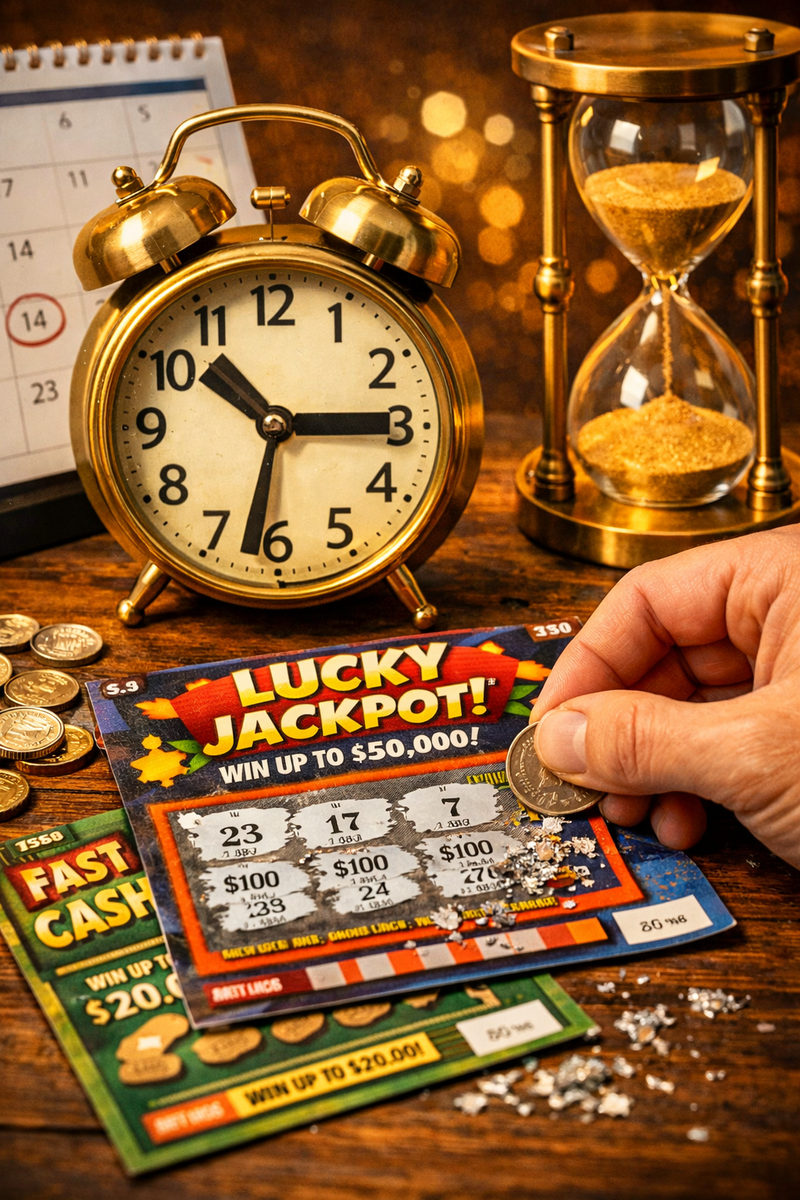
This is one of the hardest shifts for recreational players because it goes against every instinct. You have money in your pocket, tickets are right there, and the whole experience is built around immediate gratification. But disciplined timing is one of the best ways to get more mileage from the same amount of money. Instead of turning your budget into random entertainment, you turn it into selective action.
I wrote about how scratch-off odds shift over time and why most players miss these windows completely in How to Use an Odds Calculator to Pick Better Scratch-Offs. That post walks you through what to look at and how to read the data so you know whether the timing is right or whether you should wait.
Set a Scratcher Budget Before You Walk in the Store
If you do not decide your budget ahead of time, the store will decide it for you. That is how people go in for one ticket and come out spending three or four times what they planned.
A real scratcher budget needs to be set before emotion gets involved. Not while you are staring at 40 different tickets behind the counter. Not after a losing streak when you feel like chasing. Not after a small win that makes you feel like pressing your luck.
Before you play, decide how much you are willing to spend, how often you are willing to play, and what amount counts as done for the day or the week. It does not matter whether your budget is $10 or $100. What matters is that it is real and that you stick to it.
A player with a clear $20 plan will usually do better long term than a player who wings it with $100. That is not theory. I saw this play out over and over in poker rooms. The players with strict bankroll rules, the ones who would leave the table when they hit their stop-loss even if the game was good, survived. The ones who played until their pockets were empty always went broke eventually. Discipline does not just protect your money. It gives you the ability to be patient, to wait for better timing, to pick better games. Without a budget, you never give yourself a chance to benefit from any of those advantages.
Do Not Confuse Entertainment with Value
This one gets people all the time, and the lottery commissions know it.
Some games are fun. Some ticket designs are exciting. Holiday tickets, flashy multipliers, giant jackpot banners, licensed themes. The lottery is very good at making tickets look and feel exciting. They spend millions on ticket design because it works.
But an exciting ticket is not the same thing as a good ticket. There is nothing wrong with buying a scratcher purely for fun once in a while, but you should be honest with yourself about what you are doing. Are you buying this ticket because it is one of the better opportunities right now based on actual prize data? Or are you buying it because it looks cool and the jackpot number on the front made your heart rate tick up?
Those are not the same thing, and the players who treat them as interchangeable are the ones who leak the most money.
If your goal is to maximize your scratcher budget, value has to matter more than emotion. The fun part is already built into the game. The smart part has to come from you. I covered this idea in more depth, along with four other common budget-killing habits, in Scratch Ticket Secrets: 5 Hacks for Better Instant Win Chances. That post goes deeper into the psychology behind why we make these mistakes and how to catch yourself before you do.
Right now, Savvy Scratch covers 19 states, including California, Texas, Florida, New York, Ohio, Illinois, and more. Every game in every covered state gets rated so you can see value at a glance instead of relying on packaging and gut feelings. It is $5/month or $50/year with a 30-day worry-free guarantee.
Use Data Instead of Memory and Superstition
A lot of scratcher players rely on gut feelings. They say things like "I always win on this game," or "that store has been hot lately," or "I think this one still has a big winner left."
That kind of thinking feels good, but it is not reliable. Memory is messy. Confirmation bias is real. You remember the wins and forget the losses. You remember the store where you hit $100 and forget the fifteen times you walked out empty. You think a game is "due" because you have not won on it in a while, even though that is not how probability works.
If you want to maximize your budget, use data. Look at what games are new. Look at what games are rated bad. Look at which games still have jackpots available relative to the remaining ticket pool. Make decisions based on real information instead of vibes and superstition.
This is exactly why I built Savvy Scratch. Most players do not have the time to constantly track every scratcher game in their state, compare them across price points, and figure out what is worth playing today versus what was worth playing last week. Savvy Scratch does it for you in seconds. You open the app, select your state, and you can immediately see which games are rated Good, which ones are Bad, and which new games just launched. Tap into any game and you get the full breakdown: total tickets printed, tickets sold, tickets remaining, and a prize-by-prize comparison of the initial odds versus the current odds. Green means the odds improved. Red means they got worse.
Every dollar you do not waste on a bad decision is a dollar that stays in your budget for a better one. That math adds up fast over weeks and months of play.
Stop guessing and start playing smarter. Try Savvy Scratch today for $5/month or $50/year, backed by a 30-day worry-free guarantee. If you do not think the data is worth it, you get your money back. No hassle, no questions.
Maximizing your scratcher money is not about magic. It is not about secret stores, lucky numbers, or buying whatever looks hot in the moment. Most scratcher players are not losing because they are cursed. They are losing because they are making weak decisions with limited money. The good news is that weak decisions can be fixed. And when you fix them, your budget lasts longer, your choices get sharper, and you give yourself a better shot every single time you play.
About the Author: Doug Moeller is a professional gambler with over 15 years of experience in poker, blackjack card counting, and casino advantage play, with over $500K in lifetime winnings. He built Savvy Scratch to bring the same data-driven approach that works at casino tables to scratch-off lottery tickets. Follow Doug on X | YouTube