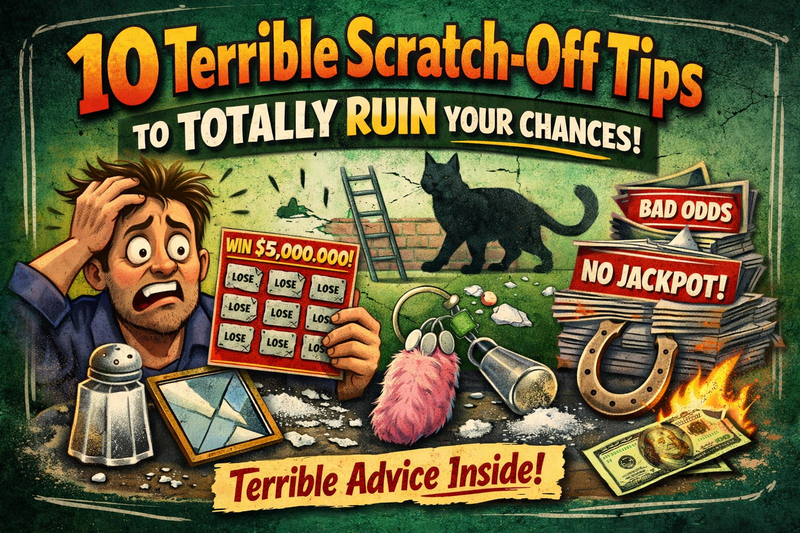
10 Terrible Scratch-Off Tips That Will Absolutely Wreck Your Chances
4/1/2026
April 1, 2026
By Doug Moeller | Professional Gambler & Founder of Savvy Scratch
I have spent over fifteen years making a living as a professional gambler. Poker, blackjack card counting, casino advantage play, over $500,000 in lifetime winnings. And in that time, I have heard a staggering amount of bad advice.
But nothing compares to the scratch-off world.
The sheer volume of terrible scratch-off tips floating around gas stations, group chats, and TikTok comments is genuinely impressive. People repeat this stuff with total confidence. They pass it along like family recipes. And almost none of it holds up to even basic scrutiny.
So today, in the spirit of chaos, confusion, and people confidently doing the exact wrong thing, I want to share the absolute worst scratch-off advice imaginable.
If you follow these tips, you can give yourself the best possible chance of doing what most players already do: play blind, trust the lottery, ignore the numbers, and hope that vibes somehow beat math.
Always Buy the Game With the Biggest Jackpot on the Front
Who cares if all the top prizes are already gone?
The ticket still says "Win $5,000,000," doesn't it? That is all the information you need. Never ask whether that prize is still available. Never ask how long the game has been out. Never ask if the ticket is completely cooked.
Just trust the giant number printed on the front like it was carved into a stone tablet by someone who cares about your financial wellbeing, and not designed by a marketing department whose entire job is to get you to pick that ticket up off the shelf.
Because obviously, if the ticket says there's a huge jackpot, that means it's definitely still there. Lotteries would never keep selling a game after the biggest prizes have been claimed. That would be misleading. And we all know lotteries would never let that happen.
If you want to understand why the number on the front of a ticket is almost never the number that matters, the truth about lottery odds is a good place to start. But for today, let's keep pretending the front of the ticket tells you everything.
Ignore Whether a Game Is Old, Depleted, or Awful
When a game has been around for a long time, that usually means one thing: it has character.
Do not let anyone tell you that older games may have already had most of their best prizes claimed. That kind of information only gets in the way of your freedom. You do not need to know whether the game is bad now. You do not need to know whether it has been drained. You do not need to know whether the odds have gotten worse since launch.
You need faith. Blind, glorious, expensive faith.
This is actually the exact situation that reminds me of a lesson I learned years ago counting cards in blackjack. When you are tracking a shoe and the count goes deeply negative, meaning the remaining deck is loaded with low cards and the house has a massive edge, the correct play is obvious. You sit out. You bet the minimum. You wait. The worst possible thing you can do is keep pushing money into a bad count and hoping the next hand magically fixes everything. But that is precisely what most scratch-off players do every single day. They walk into a store, grab a ticket from a game that has been sitting on the shelf for a year with its jackpots long gone, and play into a count that went negative months ago. They just never bothered to check.
Buy Whatever Ticket Feels Lucky
This is one of the strongest methods in all of gambling. Not math. Not data. Not remaining prizes. Not live odds. A feeling.
Maybe the color looks right. Maybe the number on the roll feels spiritual. Maybe your left eye twitched in the parking lot. Maybe Mercury is doing something. That is the kind of hard-hitting analysis we should all aspire to.
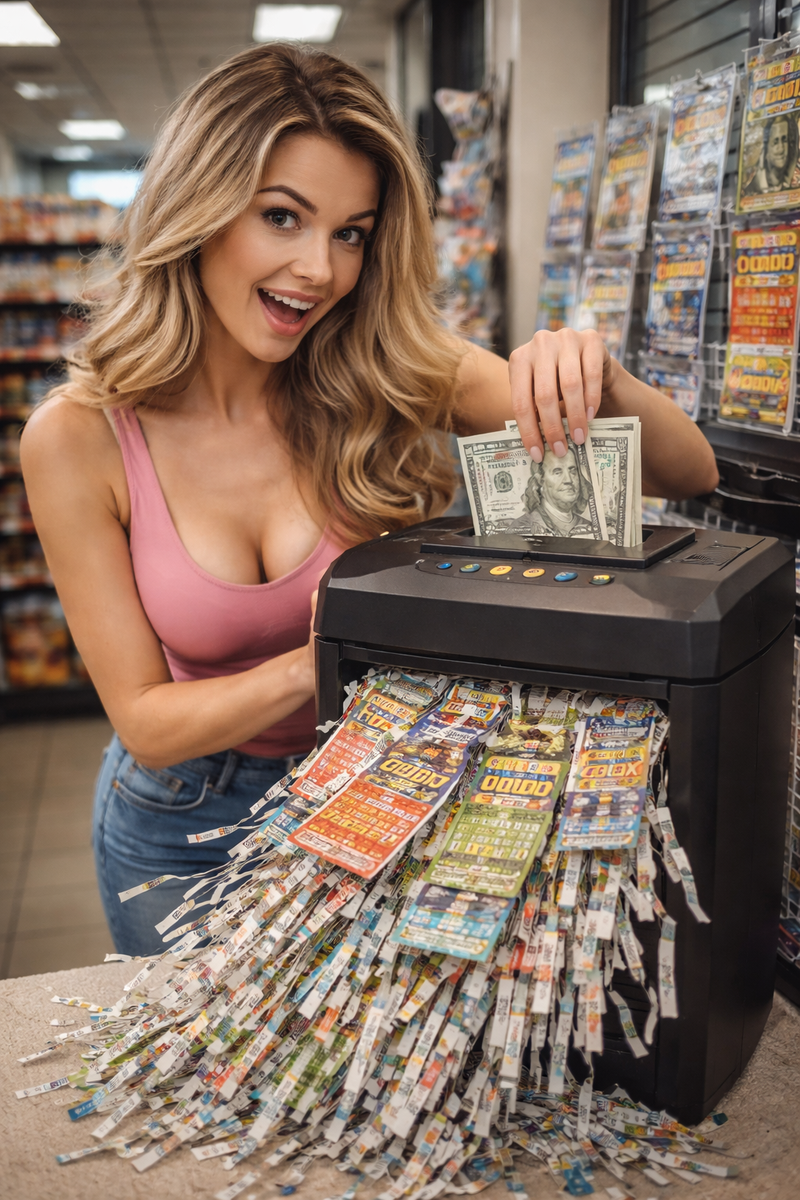
Who needs actual information when your gut exists?
I played professional poker for years. Tens of millions of hands. And I can tell you that the players who lost the most money were almost always the ones who played hands because they "felt good" about them. They would look down at a marginal hand, get a little tingle, and call a raise they had no business calling. They would ignore the math, ignore the position, ignore the action, and just go with their gut. The poker term for this is "fancy play syndrome," but the scratch-off version might be even worse, because at least the poker player had cards to look at. The scratch-off buyer standing at the counter going with their gut literally has no information at all. They are choosing based on packaging, color, and whatever cosmic signal they think the universe sent them in the parking lot.
If you want to see what it looks like when you actually compare games using data instead of intuition, this guide to picking scratch-offs with the best odds walks through the real process.
Never Compare Games Before You Buy
If you walk into a store and there are 40, 60, or 80 games available, the smart move is to review none of them.
Do not compare price points. Do not compare which games still have top prizes left. Do not compare which ones are new. Do not compare which ones are bad. That would take effort, and effort is the enemy of bad decision-making.
Instead, just point at something random while the person behind you in line sighs loudly. That is how legends are made.
Assume the Odds Stay the Same Forever
One of the best myths in scratch-offs is that the odds on launch day are basically the odds forever.
That is a beautiful fantasy and you should hold onto it tightly. Never consider that scratch-off games change as tickets are sold and prizes are claimed. Never consider that some games can get better or worse over time. Never consider that timing matters. Just imagine every ticket exists in a magical frozen universe where nothing changes and every decision is equally brilliant.
That should go well.
The reality, which we are absolutely ignoring for the purposes of this post, is that scratch-off odds shift constantly. A game that was average at launch can quietly become a strong buy if enough tickets sold while the top prizes held. And a game that looked incredible on day one can become a terrible play three months later if most of the jackpots got claimed early. If you want to understand how that math actually works, card counting for lottery is the most detailed breakdown on the site. But again, we are ignoring all of this today.
Buy More Tickets From a Bad Game Because You Are Due
This is elite-level thinking.
If a game has been terrible for months, that probably means it owes you. If you lost five times in a row, the sixth one has to hit. If a ticket has awful value and weak prize availability, buying even more of it is the obvious answer.
This is what separates the casuals from the true professionals. Professionals chase. Professionals force it. Professionals never stop to ask whether the game itself is the problem.
Savvy Scratch rates every active scratch-off game in your state as Good, Neutral, or Bad based on remaining prize data. If you wanted to know which games are bad before you buy, you could check the real-time ratings for $5/month or $50/year, backed by a 30-day worry-free guarantee. But obviously, that would take the fun out of buying blind and hoping the universe sorts it out.
Do Not Track Anything Ever
Tracking results is for nerds.
Looking at patterns in games is for people who care. Knowing which games are good, bad, or newly released is far too dangerous, because it might lead to smarter choices.
So do not keep notes. Do not check data. Do not use tools. Do not look at live information. Every purchase should feel like waking up with amnesia in a gas station. That is the dream.
If a Game Is Popular, It Must Be a Great Buy
This one is huge.
If lots of people are buying a ticket, that obviously means it is a smart play. Because the crowd is always right. That is why casinos go out of business all the time.
Never stop to consider that popular games may simply have flashy designs, strong branding, or giant top-line prizes that attract people whether the game is actually good or not. The public has never been misled by marketing in the history of humanity.
Assume the Lottery Would Never Advertise Something Misleading
This may be my favorite one.
If the front of the ticket says you can win some giant number, then surely the lottery would never keep selling that same game after the biggest prizes are gone. That would be misleading. And we all know lotteries would never let that happen.
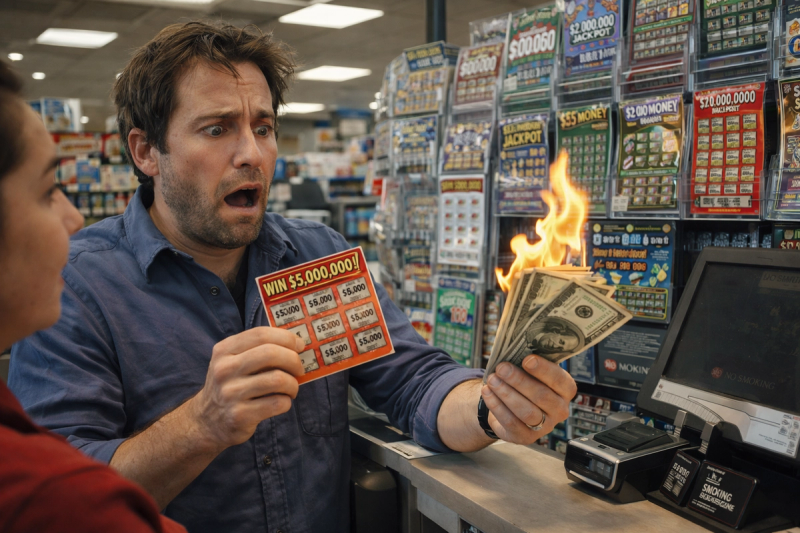
So do not ask questions. Do not verify what prizes are left. Do not look under the hood. Just accept the ad copy at face value and keep moving.
The Best Scratch-Off Strategy Is No Strategy
People use strategy in poker. People use strategy in blackjack. People use strategy in sports betting. People use strategy in investing.
But scratchers? No, no. That would be crazy.
For scratch-offs, the best possible approach is to spend money into changing conditions with no information and no plan, then act shocked when your results look random and expensive. That is peak efficiency.
Why improve your chances even a little when you could just wing it forever?
So What Is the Actual Truth?
Here is the truth.
I never tell people to play blind. I never tell people to trust the giant number on the front of the ticket without checking whether the prizes are even still there. I never tell people to ignore bad games. I never tell people that timing does not matter. I never tell people to buy based on vibes instead of data. I never tell people that all scratchers are basically the same. And I definitely never tell people that the smartest thing to do is hand money over without knowing what you are buying into.
Because that is nonsense.
The real edge is simple. Avoid bad games. Pay attention to new games. Understand that odds shift over time. Stop buying blind. Use actual data before you spend your money.
That is the whole point.
If you are going to play, at least give yourself a chance to play smarter. Savvy Scratch shows you which games in your state are rated Good, which ones are Bad, and which ones just launched, so you can walk into the store with real information instead of guessing. It costs $5/month or $50/year with a 30-day worry-free guarantee. No systems. No predictions. No lucky numbers. Just real data from a professional gambler who built this because the approach that works at casino tables works for scratch-offs too.
April Fools
If you made it this far and thought I had completely lost my mind, good.
Everything above was the exact opposite of what I actually believe, and the exact opposite of how I have made money gambling for the last fifteen years.
The truth is the reason I built Savvy Scratch is because most players are walking into stores with almost no real information. They are expected to make decisions off branding, habit, and whatever giant number is slapped on the front of the ticket. That is backwards.
You should be able to see which games are bad. You should be able to spot new games fast. You should be able to know when the odds have shifted. You should not have to guess.
That is why Savvy Scratch exists.
You can sign up and see which games to avoid and which ones just launched so you do not have to walk in blind. It is $5/month or $50/year, and every subscription comes with a 30-day worry-free guarantee, so there is zero risk in trying it.
And no, "buy whatever feels lucky" is still not a strategy.
Happy April Fools.
About the Author: Doug Moeller is a professional gambler with over 15 years of experience in poker, blackjack card counting, and casino advantage play, with over $500K in lifetime winnings. He built Savvy Scratch to bring the same data-driven approach that works at casino tables to scratch-off lottery tickets. Follow Doug on X | YouTube